
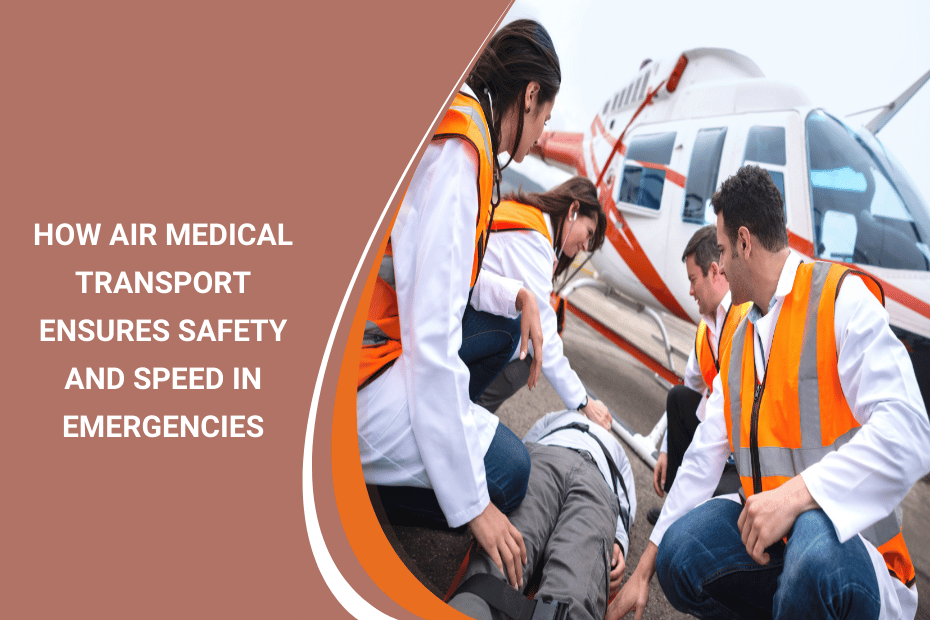
Air medical transport is an essential part of emergency healthcare, providing rapid and specialized transportation for patients in critical need. When every second counts, air ambulances can bypass ground traffic, reach remote areas, and quickly deliver patients to specialized care facilities. Over the years, I’ve come to see how this service has become invaluable in healthcare, offering both speed and safety to save lives in high-stakes situations. Here’s an in-depth look at how air medical transport achieves this and the vital components that make it effective in emergencies.
The Importance of Speed in Air Medical Transport
In emergency healthcare, time is a major factor in determining outcomes. When an individual suffers a severe trauma, cardiac event, stroke, or other critical condition, getting them to an advanced care facility as quickly as possible is paramount. Air medical transport, particularly helicopters, can often respond within minutes, transporting patients directly to hospitals, bypassing obstacles like traffic and difficult terrain.
A significant advantage of helicopters in air medical services is their ability to land in locations that are difficult for other emergency vehicles to reach, such as mountain trails, rural areas, and accident sites far from city centers. Fixed-wing air ambulances are also used for longer distances, ensuring that patients are transported rapidly between facilities if specialized care is needed. This capability to deliver rapid response gives patients a better chance of survival and recovery, particularly when specific medical interventions are time-sensitive.
Ensuring Safety in Air Medical Operations
Safety is central to air medical transport, and operators adhere to rigorous standards to protect both patients and crew members. Air medical services follow strict guidelines established by organizations like the Commission on Accreditation of Medical Transport Systems (CAMTS), which sets benchmarks for quality and safety in air medical transport. Compliance with these standards ensures that everything from aircraft maintenance to crew qualifications and medical protocols is held to the highest level.
Aircraft used for medical transport undergo frequent and detailed maintenance checks to ensure they’re always flight-ready. Moreover, air medical providers conduct regular training for pilots, medical crew, and other personnel to keep everyone prepared for various emergencies. This focus on safety means that air medical services can provide care efficiently while minimizing risk, even in challenging situations.
Advanced Medical Care During Transport
Air ambulances serve as flying intensive care units, fully equipped to manage critical medical conditions en route. Each aircraft carries specialized medical equipment, such as ventilators, defibrillators, cardiac monitors, and medications, allowing medical teams to perform life-saving interventions in the air. The medical crew typically includes trained paramedics, nurses, and, in some cases, physicians who are skilled in handling emergencies and stabilizing patients during transport.
For patients, this means they’re not just being transported; they’re receiving continuous, high-quality medical care from the moment they’re picked up until they reach the hospital. This level of care ensures that vital signs are constantly monitored, necessary medications are administered, and immediate responses can be given to any changes in the patient’s condition. Advanced medical capabilities in air ambulances are especially valuable in cases where patients are critically ill or injured and need specialized care to stabilize them before they reach the hospital.
Coordination with Ground Emergency Services
One key factor in effective air medical transport is the coordination between air and ground emergency services. Air medical teams work closely with ground paramedics, firefighters, and emergency response units to ensure that patients receive continuous care. For example, ground teams are often responsible for securing landing zones and ensuring that the area is safe for air ambulances to land and take off. Communication between air and ground teams is also essential in determining when air transport is the most appropriate option.
Dispatch centers play a critical role in coordinating these efforts, assessing the urgency of each situation and dispatching the appropriate response team. By communicating with ground EMS, air medical teams can gather information on the patient’s condition and prepare to provide immediate care upon arrival. This seamless collaboration ensures a smoother, faster transition, maintaining a high standard of care and maximizing the patient’s chances of recovery.
Technological Innovations Enhancing Air Medical Transport
Technology has made significant strides in enhancing the effectiveness and safety of air medical transport. Modern air ambulances are equipped with advanced navigation systems, weather tracking tools, and flight management systems that improve the safety and reliability of flights. These technologies allow pilots to make real-time adjustments based on weather conditions, ensuring safe flight paths and optimizing response times.
Additionally, some air medical providers are incorporating telemedicine capabilities, enabling in-flight medical teams to consult with specialists on the ground. This is particularly useful for complex cases where a specialist’s input could influence the patient’s immediate care. Real-time communication allows for better-informed decisions, ultimately leading to better patient outcomes. These technological advancements make air medical transport faster, safer, and more reliable, benefiting both patients and medical teams.
Training and Certification of Air Medical Personnel
The expertise and training of air medical personnel are essential for ensuring high-quality care during transport. Medical professionals working in air transport settings undergo specialized training that covers emergency medical procedures and the unique challenges of providing care in an airborne environment. This includes understanding the physiological effects of altitude on patients, managing in-flight emergencies, and using specialized medical equipment effectively.
Crew members, including pilots and medical staff, are required to hold certifications specific to air medical transport, and they participate in regular simulation exercises to keep their skills sharp. These drills prepare them for a variety of scenarios, from medical emergencies to unexpected in-flight challenges. Continuous education and skill enhancement are priorities in the industry, as maintaining a high level of competence is crucial for ensuring both safety and quality in air medical transport.
Challenges and Considerations in Air Medical Transport
While air medical transport offers considerable advantages, it also comes with challenges. Weather conditions, availability of aircraft, and patient condition all influence the feasibility of air transport. Safety protocols include assessing these factors before every flight, ensuring that air transport is indeed the best option for each specific situation.
Another challenge is the cost associated with air medical transport. The specialized equipment, highly trained staff, and operational expenses of aircraft contribute to a high service cost. Insurance coverage varies, and not all policies fully cover air medical transport. Understanding these financial considerations ahead of time can help patients and their families prepare for the potential costs associated with these life-saving services.
Top Benefits of Air Medical Transport
- Rapid response time for emergencies
- High safety standards for patients and crew
- In-flight advanced medical care
- Seamless coordination with ground EMS
- Equipped with advanced technology and telemedicine
In Conclusion
Air medical transport is a critical part of emergency healthcare, providing patients with rapid, safe, and advanced medical transport when time and specialized care are essential. The integration of high safety standards, coordinated efforts with ground EMS, advanced medical equipment, and continuous training make air medical transport an essential service in modern healthcare. For patients in critical need, these services can make a life-saving difference, offering timely intervention that significantly enhances recovery outcomes.

Robert Wilkos is the co-founder of VIPJets.com and a private aviation executive leading luxury charter services through a global network of 10,000+ aircraft. He champions rigorous Wyvern/ARGUS safety standards, 24/7 concierge support, and flexible options like the 25-Hour Jet Card, along with ground and air-medical transport.