
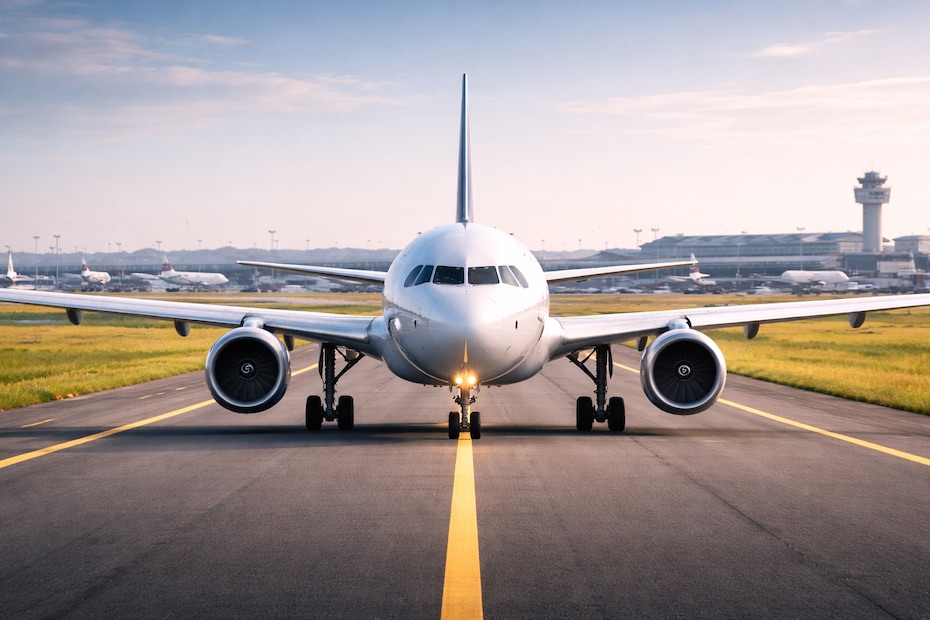
The future of aviation is being reshaped by future aviation trends that prioritize lower emissions, higher efficiency, and faster, more reliable operations across global networks. Airlines, manufacturers, and airports are already adjusting strategies as these shifts move from pilot programs into core operations.
This article breaks down the most important trends you need to understand as an aviation professional, executive, or informed traveler. You’ll see how sustainability, speed, digital systems, and aircraft design are converging to redefine how aviation performs over the next decade.
What does “flying greener and faster” mean for aviation today?
Flying greener and faster means reducing emissions per passenger while improving time efficiency across the entire journey. Airlines are no longer measuring progress only by speed in the air but by total trip efficiency, fuel burn, and operational precision.
Greener flight focuses on cleaner fuels, lighter aircraft, and smarter routing that lowers environmental impact without sacrificing performance. Faster flight focuses on reducing delays, improving turnaround times, and using technology to eliminate inefficiencies before and after takeoff.
Together, these priorities push aviation toward a model where speed, sustainability, and reliability reinforce each other. You see this shift in airline investment plans, aircraft orders, and airport modernization programs already underway.
How is sustainable aviation fuel changing airline operations?
Sustainable aviation fuel is the most immediate lever airlines have to cut lifecycle emissions using existing aircraft and infrastructure. SAF can be blended with conventional jet fuel and used without modifying engines, which allows airlines to act now rather than wait for new aircraft types.
Production volumes remain limited, and costs stay higher than conventional fuel. Even so, airlines are signing long-term supply agreements and investing directly in producers to secure access. This reflects recognition that fuel sourcing will shape competitiveness as regulatory and market pressure rises.
Operational planning is also shifting. Airlines must manage fuel availability by region, adjust procurement strategies, and coordinate with airports on storage and blending. These changes add complexity, yet they also create differentiation for carriers that move early and scale effectively.
Can electric and hybrid aircraft realistically support faster, cleaner travel?
Electric and hybrid aircraft target short-haul and regional routes where energy demands align with current battery and hybrid capabilities. These aircraft promise near-zero emissions at point of use and lower noise, which benefits both communities and operators.
Hybrid systems combine electric propulsion with traditional engines to reduce fuel burn while preserving range and payload flexibility. This approach bridges the gap between today’s technology limits and long-term fully electric ambitions.
You will likely see these aircraft enter service first on routes under 500 kilometers, supporting feeder networks and point-to-point regional travel. Over time, these models can reduce congestion at major hubs and shorten door-to-door travel time for regional passengers.
Will hydrogen propulsion redefine long-distance aviation?
Hydrogen propulsion represents one of the most ambitious paths toward zero-emission flight. When used in fuel cells or combustion systems, hydrogen produces water vapor rather than carbon emissions.
The challenge lies in infrastructure. Hydrogen requires new production, storage, and refueling systems at airports, along with redesigned aircraft architectures. These changes demand coordination across manufacturers, airlines, airports, and regulators.
Despite these hurdles, hydrogen development continues because of its energy potential for longer-range flights. If infrastructure scales successfully, hydrogen could support cleaner long-haul aviation while preserving speed and capacity.
How are aircraft designs improving efficiency and speed together?
Aircraft design is shifting toward configurations that reduce drag and structural weight while maximizing lift. Concepts like blended-wing bodies integrate fuselage and wing into a single lifting surface, improving fuel efficiency per passenger.
Advanced aerodynamics allow aircraft to cruise more efficiently at optimal altitudes and speeds. This reduces fuel consumption while maintaining or improving travel time. These designs also open opportunities for quieter operations and improved cabin layouts.
Supersonic concepts are also returning, driven by new engine designs and fuel strategies intended to limit environmental impact. While still in development, these aircraft aim to cut long-haul flight times significantly without repeating past efficiency issues.
What role does digitalization play in greener, faster aviation?
Digital systems now drive many efficiency gains that do not require new aircraft. Data-driven flight planning optimizes routes, altitudes, and speeds based on weather, traffic, and fuel performance.
Predictive maintenance uses sensor data and analytics to identify issues before they cause delays or cancellations. This keeps aircraft in service longer, reduces unscheduled maintenance, and lowers material waste.
For airlines, digitalization links sustainability with reliability. Fewer disruptions mean less fuel wasted during delays and holding patterns. Faster recovery from irregular operations also improves passenger experience without adding emissions.
How are airports adapting to support future aviation trends?
Airports are becoming active partners in efficiency rather than passive infrastructure providers. Smart gate management, automated baggage systems, and biometric identity processing reduce congestion and idle time.
Biometric boarding and touchless security reduce queue times and improve throughput. This shortens overall journey time and lowers energy use inside terminals. When passengers move more smoothly, aircraft turnaround times improve as well.
Airports are also investing in energy management, electrified ground equipment, and sustainable infrastructure. These efforts support airline sustainability goals while improving operational resilience during peak demand periods.
What materials and manufacturing advances support greener flight?
Modern aircraft rely heavily on advanced composites that reduce weight while maintaining strength. Lighter airframes require less fuel, directly lowering emissions and operating costs.
Additive manufacturing allows precise production of complex parts with less waste and faster turnaround. This improves supply reliability and reduces material usage across the aircraft lifecycle.
Digital twins simulate aircraft performance and wear in real time. These tools allow operators to schedule maintenance precisely rather than conservatively, keeping aircraft flying efficiently without compromising safety.
How are passenger expectations influencing aviation innovation?
Passengers increasingly value reliability, transparency, and time efficiency. Delays, missed connections, and unclear communication weigh heavily on airline perception.
Airlines respond by investing in real-time information systems, automated rebooking, and personalized digital services. These tools reduce stress and shorten recovery time during disruptions.
Meeting these expectations supports greener operations as well. Efficient journeys waste less fuel, require fewer backup flights, and reduce strain on infrastructure. Passenger experience and sustainability goals now align more closely than ever.
How do regulations and market pressure accelerate these trends?
Regulatory targets for emissions and noise push airlines and manufacturers toward cleaner technologies. Market pressure from customers and investors reinforces these priorities.
Airlines that adapt early gain operational knowledge, supplier relationships, and brand credibility. Those that delay face steeper transitions later under tighter constraints.
You see this pressure reflected in fleet planning, fuel contracts, and technology investment. The pace of change may vary by region, yet direction remains consistent across the industry.
What trends are shaping greener, faster aviation?
- Sustainable aviation fuel adoption
- Electric, hybrid, and hydrogen propulsion
- Advanced aircraft designs
- AI-driven operations and maintenance
- Smart airport and passenger systems
Prepare Now for the Next Era of Flight
Aviation is entering a phase where environmental performance and speed no longer compete but reinforce each other. Cleaner fuels, smarter aircraft, and digital systems are already delivering measurable gains across operations. You will see faster journeys not only in the air but across the entire travel experience. Airlines, airports, and manufacturers that align strategy with these trends position themselves for durable success. Staying informed and adaptable now determines who leads as these changes accelerate.

Robert Wilkos is the co-founder of VIPJets.com and a private aviation executive leading luxury charter services through a global network of 10,000+ aircraft. He champions rigorous Wyvern/ARGUS safety standards, 24/7 concierge support, and flexible options like the 25-Hour Jet Card, along with ground and air-medical transport.