

Private aviation dining has evolved from basic catering to a bespoke culinary experience rivaling Michelin-starred restaurants, driven by client demand for personalization, wellness, and gourmet quality at any altitude. This shift is made possible by specialized aviation chefs, advanced galley technology, and a sophisticated global logistics network designed to deliver culinary excellence.
This article explores the intricate world of private jet catering, from the science of taste at 40,000 feet to the logistics of delivering a perfect meal. You will learn how menus are created, what culinary trends are shaping the industry, and how operators partner with world-renowned chefs to create unforgettable dining experiences that are as much a part of the journey as the destination itself.
How Has Private Jet Dining Evolved Over the Decades?
Private jet dining has transformed from a service of convenience into a central feature of the luxury travel experience, mirroring the evolution of the private aviation client. In the early days of business aviation during the 1960s and 1970s, in-flight food was often an afterthought—simple trays of sandwiches, basic snacks, and standard beverages. The focus was on transportation efficiency rather than the passenger experience. Catering was treated as a necessary amenity, not a defining feature of the service.
The primary driver of this evolution is you, the client. As travelers have become more discerning about their food on the ground, their expectations for dining in the air have risen accordingly. The 1990s and early 2000s saw the first major shift, as high-net-worth individuals began to demand more than generic airline-style meals. You were no longer satisfied with pre-packaged options. You wanted the same quality, freshness, and culinary creativity at 40,000 feet that you enjoyed at your favorite Michelin-starred restaurant. This demand pushed the industry to innovate at every level, from sourcing ingredients to final presentation.
Technology has been a key enabler of this change. Modern private jets are equipped with advanced galleys that include convection ovens, refrigerators, wine coolers, and dedicated food preparation areas. These facilities allow flight attendants and on-board chefs to properly store, finish, and plate complex dishes. The logistical network has also matured significantly. Specialized VIP catering companies now operate at major airports worldwide, capable of sourcing rare ingredients and executing complex menus with just a few hours’ notice. This infrastructure has made it possible to deliver restaurant-quality food anywhere in the world.
The past decade has seen an acceleration of this trend. The rise of wellness culture, the farm-to-table movement, and the increasing importance of sustainability have all influenced private aviation dining. You are now seeking meals that align with your values and lifestyle, not just your taste preferences. This has led to a new era of culinary excellence where the journey itself is as important as the destination, and where the dining experience is a central part of what makes private aviation special.
What Makes Private Aviation Dining Different from Commercial?
Private aviation dining is fundamentally different from commercial airline food because it is built around personalization rather than mass production. On a commercial flight, even in first class, you are limited to a few pre-set options designed to appeal to the broadest possible audience. Meals are produced in large quantities, often hours before the flight, and reheated on board. The focus is on efficiency and cost control, not on individual preferences or culinary artistry.
In private aviation, the menu is a blank canvas, and you are the artist. Every detail, from the type of water to the vintage of the champagne, is selected based on your specific requests. This is not a matter of choosing between chicken or fish. This is about creating a dining experience that is uniquely yours. Do you prefer Japanese cuisine? Do you want a specific cut of wagyu beef from a particular farm? Do you need a meal that aligns with your keto diet? All of these requests can be accommodated.
This process begins long before you board the aircraft. Your flight provider will ask for your dietary preferences, allergies, and favorite foods. A guest profile is created to ensure that your preferences are remembered for every flight. This profile is maintained over time, so you never have to repeat your preferences. If you always drink a specific brand of coffee or prefer your steak cooked medium-rare, this information is recorded and acted upon automatically. This level of customization is the defining feature of the private dining experience. [1]
Another key difference is the quality of the ingredients and the preparation. Private jet catering emphasizes fresh, seasonal, and locally sourced produce, often following a “farm-to-flight” concept. [2]
Meals are prepared by specialized aviation chefs who understand the unique challenges of cooking for altitude. The food is cooked to order, blast-chilled to maintain freshness, and delivered to the aircraft in a temperature-controlled vehicle just before departure. On board, the flight attendant or chef finishes the cooking process and plates each dish with the care and precision of a fine dining restaurant. This is a world away from the mass-produced, pre-packaged meals served on commercial flights.
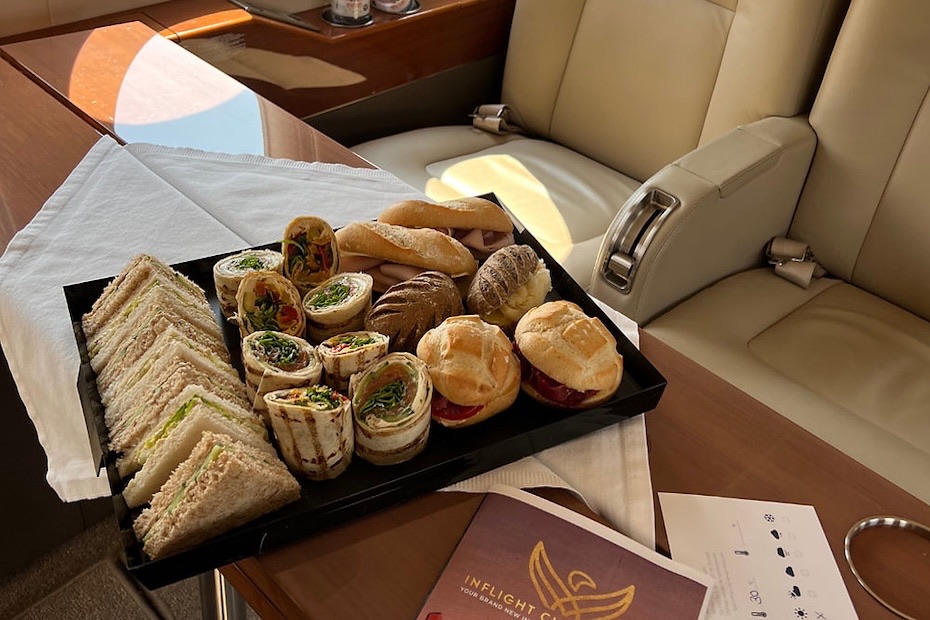
The presentation is also dramatically different. In private aviation, meals are served on fine china with crystal glassware and silver cutlery. The table is set with luxury linens, and each course is plated with restaurant-level precision. The entire experience is designed to replicate the ambiance and quality of a high-end restaurant, creating a sense of occasion and luxury that is impossible to achieve in a commercial setting.
How Do Chefs Overcome the Challenges of Altitude?
Chefs overcome the challenges of altitude by using culinary science to adjust recipes and preparation techniques, ensuring that food retains its flavor, texture, and aroma at 40,000 feet. The cabin environment—with its low humidity and reduced air pressure—has a significant impact on our senses. Research has shown that our ability to perceive saltiness and sweetness can decrease by up to 30% at altitude, while the dry air can dull our sense of smell, which is a critical component of taste. [3]
To counteract these effects, aviation chefs intentionally create dishes with more robust and concentrated flavors. They use high-quality ingredients, bold spices, and umami-rich components like mushrooms, tomatoes, and aged cheeses to ensure that meals are flavorful and satisfying. Sauces are often prepared to be more intense on the ground so that they taste perfectly balanced in the air. The focus is on creating dishes that are not just palatable but truly delicious at altitude.
Texture is another important consideration. The low humidity in the cabin can dry out food quickly, making it less appealing. Chefs employ a variety of techniques to retain moisture and ensure that dishes maintain their intended texture. Sous-vide cooking, where food is sealed in a bag and cooked in a water bath at a precise temperature, is a popular method for ensuring that proteins like fish and chicken remain tender and juicy. This technique also allows for precise control over the cooking process, which is important when food must be prepared in advance and reheated on board.
Dishes are also designed to be finished in the aircraft’s galley, with final searing or saucing done just before serving to maximize freshness and texture. This two-stage cooking process is one of the hallmarks of high-quality aviation catering. The bulk of the cooking is done on the ground, where chefs have access to professional kitchens and equipment. The final touches are added in the air, ensuring that the food is served at the peak of its quality. The logistical process is a true challenge, requiring careful planning and execution to deliver a gourmet experience. [4]
Presentation also plays a role in overcoming the sensory challenges of altitude. When our sense of taste is diminished, visual appeal becomes even more important. Private jet caterers use fine china, crystal glassware, and elegant plating to enhance the dining experience. A beautifully presented meal stimulates the appetite and creates an expectation of quality, which can influence our perception of taste. The entire experience is designed to engage all the senses, compensating for the limitations of the cabin environment.
What Are the Current Trends in Private Aviation Dining?
The current trends in private aviation dining reflect broader movements in the luxury and wellness industries, with a strong emphasis on personalization, health, and sustainability. You are no longer just looking for a good meal; you are seeking a dining experience that aligns with your lifestyle, values, and health goals. This has led to a number of exciting developments in the world of in-flight catering.
One of the most significant trends is the demand for farm-to-table and organic ingredients. You want to know where your food comes from, and you expect it to be fresh, seasonal, and ethically sourced. Private jet caterers are responding by building relationships with regional farms and artisanal suppliers, ensuring that every dish reflects quality and a sense of place. This trend extends to beverages, with a growing interest in organic wines, biodynamic labels, and small-batch craft spirits. The emphasis is on authenticity and traceability, allowing you to feel confident about what you are consuming. [2]
Wellness-focused menus have also become a staple. You can now request meals that align with specific dietary plans, whether it is keto, paleo, gluten-free, or plant-based. Some catering services even offer menus designed by nutritionists, featuring antioxidant-rich foods to combat jet lag or brain-healthy omega-3s to maintain cognitive function during long flights. Plant-based and vegan gourmet options have moved far beyond simple salads to include sophisticated dishes like jackfruit biryani, beetroot tartare with almond cream, and mushroom-based steaks. These meals are designed to be as visually appealing and flavorful as their meat-based counterparts. [2]
Top Culinary Trends
- Farm-to-Table Sourcing: Emphasis on fresh, local, and organic ingredients.
- Wellness Menus: Personalized meals for keto, paleo, vegan, and other dietary needs.
- Michelin-Starred Collaborations: Exclusive menus created by celebrity chefs.
- Global Fusion Cuisine: Blending culinary elements from different cultures.
- Culinary Theater: Interactive and visually stunning dishes using techniques like molecular gastronomy.
- Artisanal Beverages: Craft cocktails, rare wines, and cold-pressed juices.
- Sustainable Practices: Zero-waste initiatives and eco-conscious packaging.
Another major trend is the collaboration between private jet operators and Michelin-starred chefs. Companies like VistaJet have partnered with world-renowned restaurants such as Mirazur in France, BeefBar in Paris and Milan, Alex Dilling at Hotel Café Royal in London, and Tosca di Angelo at The Ritz Carlton in Hong Kong to offer exclusive in-flight menus. [5]
These partnerships bring a new level of culinary artistry to the sky, allowing you to enjoy dishes created by some of the world’s best chefs. This is not just about food; it is about creating a unique and memorable experience that becomes a highlight of your journey.
Global fusion cuisine has also gained popularity. You are a well-traveled individual with a sophisticated palate, and you appreciate the blending of culinary traditions from different cultures. Chefs are creating menus that seamlessly combine flavors from Asia, Europe, the Middle East, and South America. A single meal might include miso-marinated Chilean sea bass with truffle-infused risotto, or Japanese sushi platters paired with Peruvian ceviche. This approach allows you to experience the best of global cuisine without leaving your seat.
Molecular gastronomy and culinary theater have also found their way into private aviation. Some clients are seeking not just a meal but an experience. Techniques like spherification, edible foams, nitrogen-frozen desserts, and smoke-infused cocktails add a dramatic flair to in-flight dining. These dishes are designed to surprise and delight, offering visual appeal and a sense of occasion. This trend is particularly popular for special celebrations or when you want to impress guests.
Finally, sustainability is becoming an important consideration. You are increasingly conscious of the environmental impact of your travel, and this extends to your dining choices. In response, caterers are implementing zero-waste and eco-conscious practices, such as using minimal packaging, reusable containers, and compostable utensils. Some services even offer to vacuum-seal leftovers and deliver them to your home or hotel, reducing food waste and promoting a more sustainable approach to in-flight dining. [2]
How Do You Order Food for a Private Jet Flight?
You order food for a private jet flight through a simple and personalized process that is managed by your flight provider. The goal is to make the experience as seamless as possible, ensuring that your culinary preferences are met without requiring a great deal of effort on your part. The process typically begins as soon as you book your flight, and it is designed to be intuitive and flexible.
Your charter broker or flight department will contact you to discuss your catering needs. They will ask about your dietary restrictions, allergies, and general preferences. Do you have a favorite type of cuisine? Are there any specific dishes you would like to have? Do you want a light snack or a multi-course meal? Do you prefer to eat at a specific time during the flight? This initial consultation allows them to build a profile that can be used for all your future flights. The more information you provide, the better they can tailor the experience to your needs.
Based on your preferences, a menu will be proposed for your approval. This can range from a selection of curated dishes from a VIP catering menu to a completely bespoke menu designed just for you. Many operators now offer digital platforms or apps that allow you to browse menus, view photos of dishes, and place orders directly. This technology makes the process even more convenient and gives you greater control over your dining experience. If you have a specific restaurant you love, your flight provider can arrange to have meals from that restaurant delivered to the aircraft. This is a popular option for clients who have a favorite local spot or who want to enjoy a signature dish from a renowned establishment.
Once you approve the menu, the flight attendant or operator will place the order with a specialized private aviation caterer. These caterers, such as Air Culinaire Worldwide, Inflight Chef Delight, or Jettly Eats, are experts in the logistical challenges of preparing and delivering high-quality food for private jets. [6][7]
They operate at major airports around the world and have the infrastructure to source rare ingredients, execute complex menus, and deliver food on a tight timeline. These companies are the unsung heroes of private aviation dining, working behind the scenes to ensure that your meal is perfect.
On the day of the flight, the caterer’s chefs will prepare your meal according to your specifications. The food is cooked to order, blast-chilled to preserve freshness, and packaged in a way that maintains its quality during transport. It is then delivered to the aircraft in a temperature-controlled vehicle about 90 minutes before departure. The flight attendant will check the order to ensure that everything is correct, store it properly in the galley, and perform the final preparation and plating during the flight. The entire process is designed to be effortless for you, allowing you to simply board the aircraft and enjoy a perfect meal at 40,000 feet.
What Kind of Dietary Restrictions Can Be Accommodated?
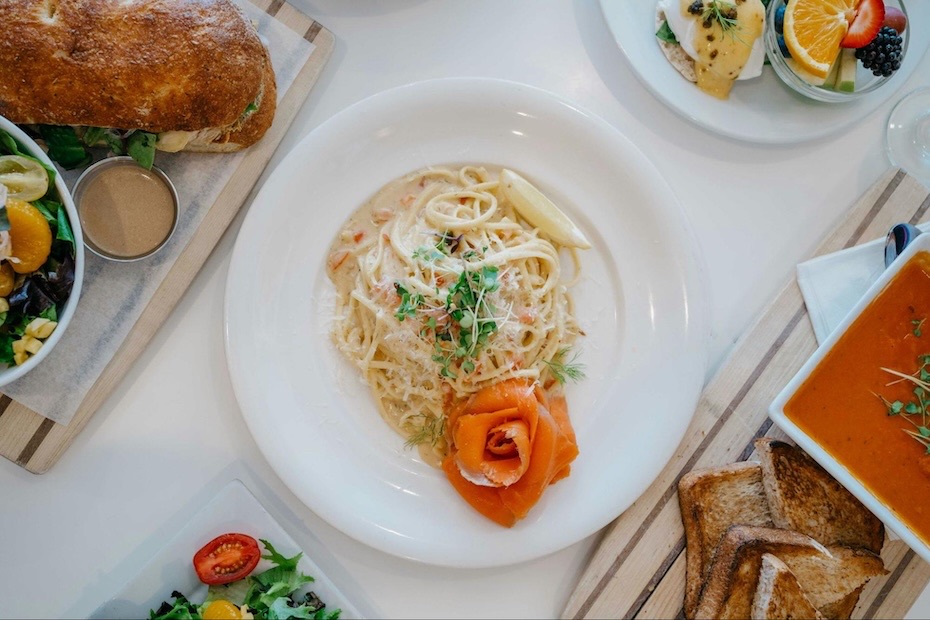
Virtually any dietary restriction or preference can be accommodated in private aviation dining, from common allergies to complex medical diets and lifestyle choices. The bespoke nature of the service means that menus are built from the ground up to meet your specific needs. This is one of the most significant advantages of private jet catering over any other form of travel dining. You do not have to compromise on your dietary requirements or worry about finding suitable options.
Common dietary restrictions such as gluten-free, dairy-free, nut allergies, and vegetarianism are handled with ease. Specialized caterers are well-versed in preventing cross-contamination and ensuring that meals are prepared in a safe environment. They use dedicated equipment and follow strict protocols to ensure that your food is free from allergens. You can travel with the confidence that your dietary needs will be taken seriously and managed professionally.
Lifestyle-based diets are also widely catered for. Whether you follow a vegan, paleo, keto, low-carb, or low-FODMAP diet, chefs can create delicious and compliant meals. The trend toward wellness has made these requests increasingly common, and caterers have developed extensive repertoires of dishes to meet these needs. You can maintain your health and wellness regimen without interruption, even when you are traveling. The meals are designed to be as satisfying and flavorful as any standard menu, ensuring that you do not feel like you are missing out.
Even complex medical diets can be accommodated with proper planning. If you have specific requirements related to a medical condition, such as diabetes, kidney disease, or food sensitivities, you can provide detailed instructions to your flight provider. They will work with the catering team and, if necessary, consult with nutritionists or medical professionals to ensure that every meal is prepared in strict accordance with your needs. This level of personalization provides peace of mind and ensures a safe and comfortable travel experience.
Religious dietary requirements are also respected and accommodated. Whether you require halal, kosher, or other religiously compliant meals, caterers can source ingredients and prepare food according to the appropriate standards. This attention to detail reflects the broader commitment to personalization and respect for individual preferences that defines private aviation.
Can You Have an On-Board Chef?
Yes, you can have an on-board chef for your private jet flight, particularly on larger, long-range aircraft that are equipped with more extensive galley facilities. Having a chef on board elevates the dining experience to the highest possible level, providing a degree of freshness, customization, and culinary theater that is simply not possible with pre-prepared catering. This service transforms the aircraft into a true flying restaurant, where every dish is prepared to order and served at the peak of its quality.
An on-board chef is responsible for the entire culinary experience, from menu planning and ingredient sourcing to final preparation and plating. They will consult with you before the flight to design a menu that perfectly matches your tastes and preferences. They can accommodate last-minute requests and adjust dishes based on your mood during the flight. This flexibility is the ultimate expression of personalized service. If you decide mid-flight that you would prefer a different dish or want to add an extra course, the chef can make it happen.
The presence of a chef allows for more complex and ambitious dishes to be served. While pre-prepared catering is excellent, some techniques and ingredients do not hold up well to being cooked, chilled, and reheated. An on-board chef can prepare delicate sauces, sear proteins to perfection, and create multi-component dishes with a level of freshness that is unmatched. They can also provide a more interactive and engaging dining experience, explaining the dishes, sharing their culinary expertise, and even tailoring the presentation to your preferences. [8]
This service is most common on large-cabin jets like the Gulfstream G650, Bombardier Global 7500, or Airbus Corporate Jet. These aircraft have the galley space, equipment, and storage required to support a full culinary operation. The galley on these jets is more akin to a professional kitchen, with multiple ovens, refrigerators, and ample counter space for food preparation. This infrastructure makes it possible to execute complex menus and deliver a truly exceptional dining experience.
Having an on-board chef is particularly popular for long-haul flights, special occasions, or when you are entertaining important guests. It is a statement of luxury and a demonstration of your commitment to providing the best possible experience. For those who prioritize food as a central part of their travel experience, the addition of an on-board chef is the definitive statement in luxury and personalization.
What Are the Most Popular Dishes on Private Jets?
The most popular dishes on private jets reflect a balance between comfort, sophistication, and the ability to travel well at altitude. You want meals that are familiar and satisfying, but also elevated and special. Chefs have identified certain dishes that consistently perform well in the cabin environment and that appeal to a wide range of tastes.
Sushi is one of the most requested items. It is fresh, light, and does not require reheating, making it ideal for in-flight service. High-quality sushi prepared with fresh fish and expertly seasoned rice is a favorite among clients who appreciate Japanese cuisine. It is often served as a second course or as part of a multi-course tasting menu. Caviar service is another popular choice, particularly for clients who want to start their flight with a touch of luxury. Caviar is served with traditional accompaniments like blinis, crème fraîche, and chopped egg.
Seafood dishes are also highly popular. Chilean sea bass, lobster, and scallops are frequently featured on private jet menus. These proteins are versatile, can be prepared in a variety of ways, and pair well with a range of sauces and sides. They also have a reputation for being luxurious and special, which aligns with the overall private aviation experience. Chefs often use techniques like sous-vide to ensure that seafood remains tender and moist, even after being reheated.
Beef dishes, particularly wagyu and other premium cuts, are perennial favorites. A perfectly cooked steak is a symbol of luxury and indulgence, and it is a dish that many clients request. The challenge with beef is ensuring that it remains tender and flavorful after being cooked, chilled, and reheated. Chefs address this by using high-quality cuts, precise cooking techniques, and rich sauces that enhance the flavor and moisture of the meat.
Desserts are an important part of the in-flight dining experience. Chocolate-based desserts, such as molten chocolate cake, chocolate mousse, and chocolate fondant, are consistently popular. These dishes are rich, satisfying, and have a universal appeal. Chefs also create interactive desserts, such as molten chocolate spheres that are finished tableside with warm sauce, adding an element of theater to the meal. Fruit-based desserts, such as tarts and parfaits, are also popular, particularly for clients who prefer a lighter option.
How Much Does Private Jet Catering Cost?
The cost of private jet catering varies widely depending on the complexity of the menu, the quality of the ingredients, and the level of service required. At the lower end, a simple catering package with snacks, sandwiches, and beverages might cost a few hundred dollars per person. At the higher end, a multi-course gourmet meal prepared by a Michelin-starred chef with rare ingredients and fine wines can cost several thousand dollars per person.
Most private jet operators include a basic catering allowance as part of the charter cost. This typically covers standard meals, snacks, and a selection of beverages. If you request something beyond the standard offering, such as a bespoke menu, meals from a specific restaurant, or premium ingredients like caviar or wagyu beef, you will incur additional charges. These costs are usually itemized and presented to you for approval before the flight.
The cost also depends on the location and the availability of ingredients. If you are flying from a major city with a well-established VIP catering infrastructure, the cost will generally be lower than if you are flying from a remote location where ingredients must be specially sourced and delivered. The timing of your request also matters. Last-minute orders or requests for rare ingredients can incur premium charges due to the logistical challenges involved.
Having an on-board chef is the most expensive catering option. The cost includes not only the chef’s fee but also the additional ingredients and equipment required to support a full culinary operation. This service is typically reserved for long-haul flights or special occasions where the dining experience is a central focus of the trip. The cost can range from several thousand to tens of thousands of dollars, depending on the length of the flight and the complexity of the menu.
Despite the cost, many clients view high-quality catering as an essential part of the private aviation experience. You are paying for convenience, customization, and quality, and the ability to enjoy a restaurant-quality meal at 40,000 feet is a significant part of what makes private aviation special. The cost is often justified by the value it adds to the overall travel experience.
What Food Is Served on a Private Jet?
Food on a private jet is a fully customized, gourmet experience. You can order anything from multi-course meals created by Michelin-starred chefs to dishes from your favorite local restaurant, all tailored to your specific dietary preferences and served on fine china.
A New Era of In-Flight Dining
The evolution of private aviation dining marks a new era where the journey itself is as important as the destination. You are no longer limited by the constraints of traditional airline catering. Instead, you have access to a world of culinary possibilities, where your every preference is met with creativity and precision. From farm-to-table sourcing and wellness-focused menus to collaborations with world-renowned chefs, the industry has risen to meet your demand for excellence.
This transformation is about more than just good food. It is about personalization, control, and the creation of a seamless and enjoyable travel experience. You can conduct business, celebrate with family, or simply relax, all while enjoying a meal that is perfectly suited to your tastes. The attention to detail, the quality of the ingredients, and the skill of the chefs all combine to create an experience that is truly exceptional.
As technology and culinary artistry continue to advance, the future of private aviation dining promises even greater heights of excellence. Innovations in galley design, food preservation, and ingredient sourcing will make it possible to offer even more ambitious and creative menus. The partnerships between operators and chefs will continue to deepen, bringing new culinary experiences to the sky. The emphasis on sustainability and wellness will drive further innovation, ensuring that your meals are not only delicious but also aligned with your values.
Your table at 40,000 feet will always be the most exclusive reservation in the world, a place where culinary excellence meets the freedom of flight, and where every meal is a celebration of the journey itself.
References
[2] Darkwing Inflight Catering. “Top 10 Culinary Trends in Private Jet Catering.” 15 May 2025.
[3] Business Air News. “A Few Challenges for In-Flight Catering.” 10 October 2013.
[5] VistaJet. “Private Jet Catering, Dining, Meals & Menu.”
[6] Air Culinaire Worldwide. “In-flight Catering Services. Elevated.”
[7] Inflight Chef Delight. “Private Jet Catering VIP.”
[8] DM Estate Staffing. “Jet Chef – Culinary Artistry in the Skies.”

Robert Wilkos is the co-founder of VIPJets.com and a private aviation executive leading luxury charter services through a global network of 10,000+ aircraft. He champions rigorous Wyvern/ARGUS safety standards, 24/7 concierge support, and flexible options like the 25-Hour Jet Card, along with ground and air-medical transport.