
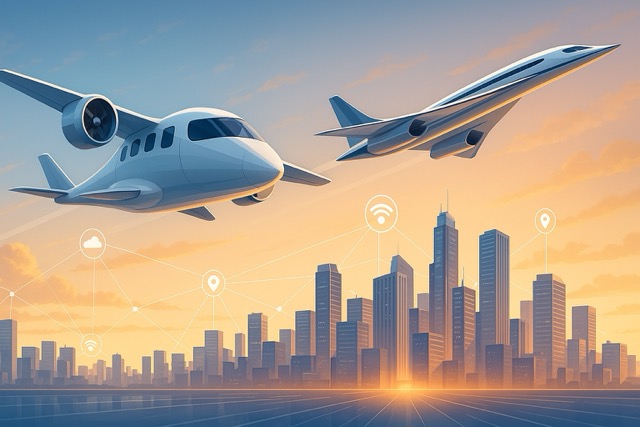
You’re no longer working in the same aviation industry you knew five years ago. With pressure mounting to reduce emissions, streamline operations, and meet passenger expectations, the sector has been pushed into a new era of innovation. From the rise of sustainable fuels to AI-powered operations and pilot training reforms, every part of aviation is being reshaped. This article walks you through eight real-world trends that are not only changing how aircraft operate but also redefining how airports, passengers, and professionals like you interact with the aviation ecosystem.
Sustainable Aviation Fuels Are Moving Past Pilot Projects
If you’re aiming to reduce emissions without overhauling aircraft fleets, sustainable aviation fuel (SAF) is becoming your go-to option. SAF can be blended with conventional jet fuel and used in existing engines, making it an immediate and practical solution for cutting carbon output. More airlines are entering long-term supply agreements as production ramps up globally. One notable project is Infinium’s “Project Roadrunner” in Texas, which aims to produce over 7 million gallons of eFuels annually by 2027, serving clients like American Airlines and IAG.
For operators, this shift means you’ll need to start factoring SAF into fuel procurement strategies and sustainability reporting. Passengers, regulators, and investors are watching your carbon intensity, and SAF adoption provides a clear metric to demonstrate progress. You’ll also find that many airports are upgrading storage facilities to accommodate SAF blends, signaling how deeply this trend is being integrated across the value chain.
Electric and Hydrogen-Powered Aircraft Are Accelerating
Battery-powered and hydrogen-fueled aircraft used to sound like long shots. But now, you’re seeing credible test flights and production timelines. NASA’s X-57 Maxwell is helping validate all-electric flight for regional missions. At the same time, Airbus is backing three ZEROe concept planes powered by hydrogen with a target commercial launch by 2035. The operational economics of these aircraft promise massive savings on fuel and maintenance—something you’ll need to consider when evaluating fleet upgrades or planning airport infrastructure.
If you’re involved in airport development, be prepared for electric charging systems and liquid hydrogen storage to become part of your planning documents. Manufacturers and operators will rely on ground infrastructure that’s capable of supporting quick turnarounds and safe refueling. These propulsion systems are more than just a sustainability play—they’re business enablers, especially on short-haul routes where cost and efficiency rule.
Artificial Intelligence Is Running the Back Office and the Cabin
Artificial intelligence isn’t just supporting operations—it’s starting to lead them. You’ll find AI managing predictive maintenance schedules, optimizing crew assignments, analyzing real-time weather and airspace data, and even guiding passenger boarding flows. For customer experience, AI-driven chatbots and virtual agents are now handling bookings, rebookings, and live travel updates at scale, with personalized feedback loops that keep passengers informed and satisfied.
If you’re overseeing fleet performance or operations control, you’ll notice machine learning becoming essential for spotting anomalies before they turn into disruptions. The goal is simple: reduce costs, increase reliability, and improve the passenger journey—all in real time. And as passenger data collection becomes more refined, your marketing and loyalty teams will use AI to create travel experiences that feel personalized from start to finish.
Biometrics Are Taking Over the Terminal
You can expect the physical airport experience to get leaner and faster, thanks to biometric identification. Airports around the world are installing facial recognition systems that let passengers check in, drop bags, pass security, and board—all without showing a single document. Systems in Singapore, Atlanta, and Dubai are already live and proving their worth.
For your operations team, that means shorter queues, quicker turnarounds, and higher throughput without needing to expand physical space. But it also means investing in secure data infrastructure and privacy protocols. Passengers love speed and convenience, but they also demand security and transparency about how their data is used. Managing that balance is now part of your core responsibilities in customer operations.
Air Taxis Are Closer Than You Think
Urban air mobility isn’t just a whiteboard idea anymore. Companies like Wisk Aero are demonstrating autonomous, electric air taxis built for short hops over congested cities. They showcased their latest model in Houston recently, and they’re working toward getting FAA certification. These aircraft are quieter, zero-emission, and designed to fly predefined routes between rooftop vertiports.
As someone involved in transport planning or aviation logistics, you’ll need to monitor how these aircraft are being integrated into city infrastructure. The model relies on quick turnaround, electric charging stations, and software-driven airspace management. These won’t replace airlines—but they’ll compete for short-haul trips and commuter demand, especially in megacities. It’s an entirely new layer of urban mobility, and it’s coming fast.
Air Traffic Management Is Being Rebuilt
Traditional radar systems are reaching their limits. If you’re in air navigation services or regulatory roles, satellite-based systems under programs like FAA’s NextGen or Europe’s SESAR are becoming the new standard. These systems enable better traffic spacing, real-time tracking, and dynamic rerouting based on actual airspace capacity and weather—not outdated flight plans.
For pilots, dispatchers, and ATC controllers, this digital upgrade reduces delays, optimizes fuel burn, and enhances overall safety. Airlines benefit from cost savings and more reliable arrival times, while passengers get fewer delays. This transition also lays the groundwork for integrating drones and urban air mobility solutions into controlled airspace without compromising safety.
Aircraft Recycling Is Scaling Up
The aircraft in your hangars today will need to be retired responsibly tomorrow. With more aircraft reaching end-of-life stages, aviation is finally getting serious about recycling. Companies are improving techniques to recover aluminum, carbon fiber, and valuable electronics from retired planes. Recycled parts are also being certified for reuse, creating a new supply chain for aftermarket components.
If you manage fleet transitions, airport storage, or leasing portfolios, this will affect how you handle decommissioning. You’ll also see sustainability reports start to include recycling metrics as investors and regulators track waste reduction across the industry. Recycling is no longer about scrapping metal—it’s about maximizing value and minimizing landfill use in a high-visibility way.
Pilot Training Is Opening Up
Access to pilot training is expanding in a meaningful way. In India, new regulations now allow students from commerce and arts backgrounds—not just science majors—to enroll in commercial pilot programs. That change opens up aviation careers to a broader talent pool and helps address pilot shortages worldwide.
If you run a flight school, training center, or HR function in an airline, this shift impacts how you recruit and support new candidates. Digital training platforms, virtual reality simulators, and modular course structures are also improving accessibility. These tools allow for more flexible and cost-effective training models, and they help prepare pilots for the increasingly digital cockpits they’ll operate.
Key Ways Aviation Has Changed
- SAF and electric aircraft are reducing emissions
- AI is managing flights and passengers
- Biometrics are speeding up airports
- Air taxis are launching in cities
- Satellites are modernizing ATC
- Aircraft recycling is scaling
- Pilot training access is growing
- Hydrogen propulsion is in development
In Conclusion
If you’re part of the aviation world today, you’re not watching evolution—you’re managing reinvention. These eight trends aren’t just temporary adjustments. They’re permanent changes in how you build aircraft, plan operations, serve passengers, and recruit talent. Whether you’re adapting your infrastructure, retraining your staff, or rewriting your SOPs, the shifts are already underway—and they’re not slowing down. Aviation has changed forever, and your readiness to act now defines how well you navigate what’s next.
For more aviation insights, follow me on Facebook.

Robert Wilkos is the co-founder of VIPJets.com and a private aviation executive leading luxury charter services through a global network of 10,000+ aircraft. He champions rigorous Wyvern/ARGUS safety standards, 24/7 concierge support, and flexible options like the 25-Hour Jet Card, along with ground and air-medical transport.